
GREATER GOOD SCIENCE CENTER · CREATIVE DIRECTOR · PURPOSE ACROSS THE LIFESPAN
400 people for the summit. 6,000 for the course. The framework that made both possible didn't exist before this project.
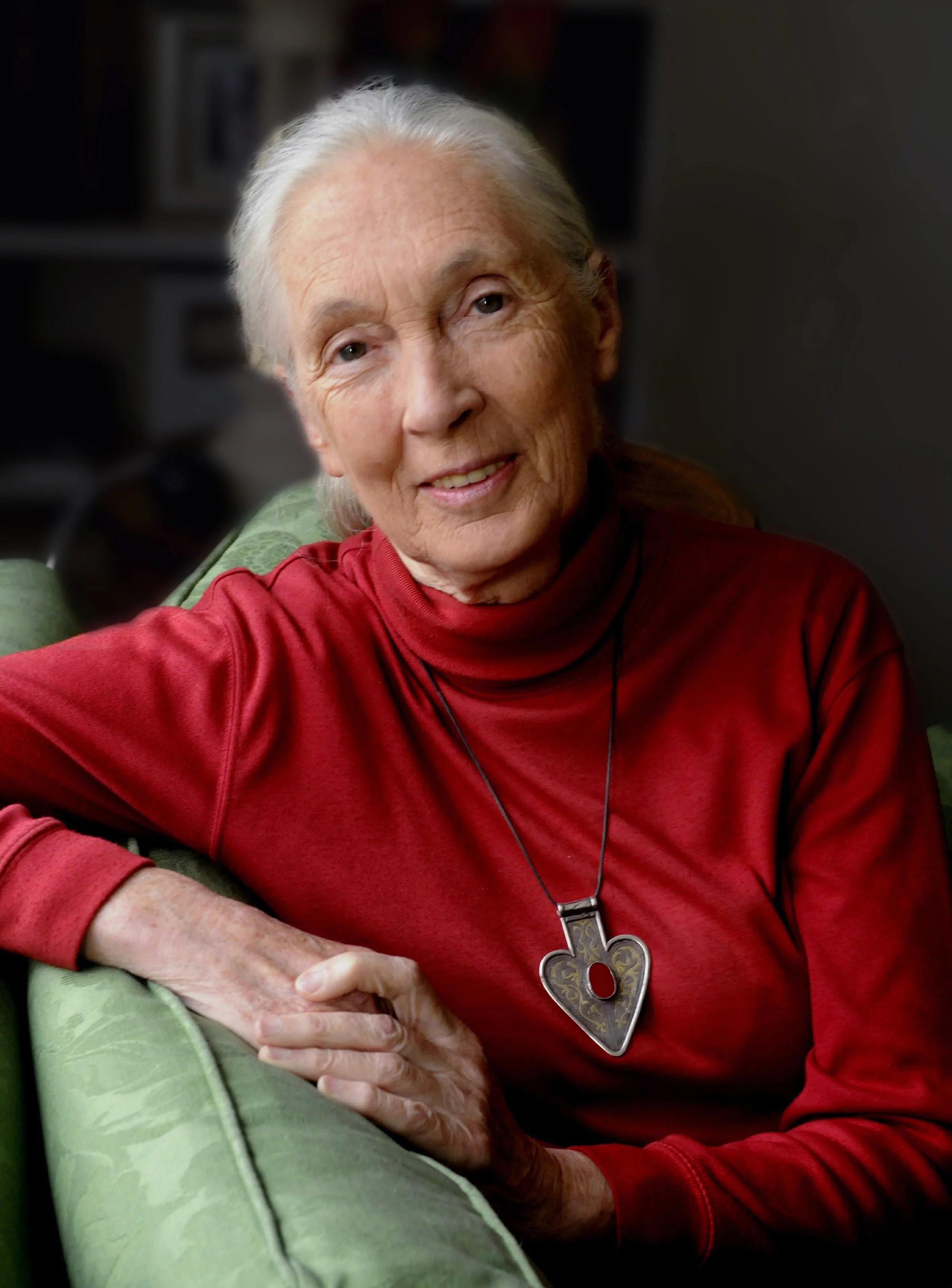
How might we translate rigorous research on purpose into an experience people could feel their way through?
participants in the virtual summit
400
participants in the online course
6,000
from brief to live summit
6 mo.
The challenge
❋
The Greater Good Science Center had strong research and no experience framework to carry it. The team thought in papers and citations. The work needed to land as something people could feel, understand, and apply in their own lives.
The approach
✹
I started by reading the research, then built the experience from the substance up.
That included developing a visual framework to make the ideas legible, curating the speaker lineup, and designing interactive content that could carry meaning beyond static information. The summit and course were designed together, so the experience could extend over time.
The speaker lineup included voices like Jane Goodall, whose presence shaped the tone and required careful sequencing across the program.
What I owned
✱
The work spanned from understanding the research to designing the experience that carried it. An original visual framework mapped key moments across a human life when people lose and reconnect to purpose, making the research legible and giving both the team and audience something to orient around. The same framework was used internally and as the teaching tool. The structure extended beyond the event, with a course designed alongside the summit as one arc so the work could continue teaching over time.
Original visual framework mapping purpose across a human lifespan
End-to-end summit design, from brand to experience flow
Speaker curation and program structure
Interactive content grounded in research
Online course extending the summit experience
The impact
❉
The summit reached 400 participants and extended into an online course with 6,000 participants. The visual framework became a core tool for the team, shifting how they communicated their research and allowing the work to reach beyond the original event.
The tradeoffs
❉
The tension was between fidelity to the research and clarity for the audience. The work needed to stay grounded in real science while becoming something people could move through and apply.
I also had to shift the program direction, replacing sourced content with my own framework to create a coherent experience. That required making the case for what would actually work, not just what was initially planned.
The takeaway
✺
Research on its own doesn’t move people. It needs a structure that lets someone see themselves in it and know what to do next. That’s what this work built.